







The humanitarian crisis in Palestine has sent ripples through Bay Ridge and the broader Brooklyn area. Residents and students at the High School of Telecommunication Arts and Technology feel the emotional and social impact as tensions rise and conversations grow urgent in this multicultural Brooklyn enclave.
New York City is home to over 750,000 Arab Americans, the largest population in the Western Hemisphere. At Tele, located in the predominantly Arab community of Bay Ridge, many students are deeply affected by conflicts in the Middle East. Although it is hard to track the exact number of students at Tele due to the school’s survey, as it classifies Arabs as “white”.
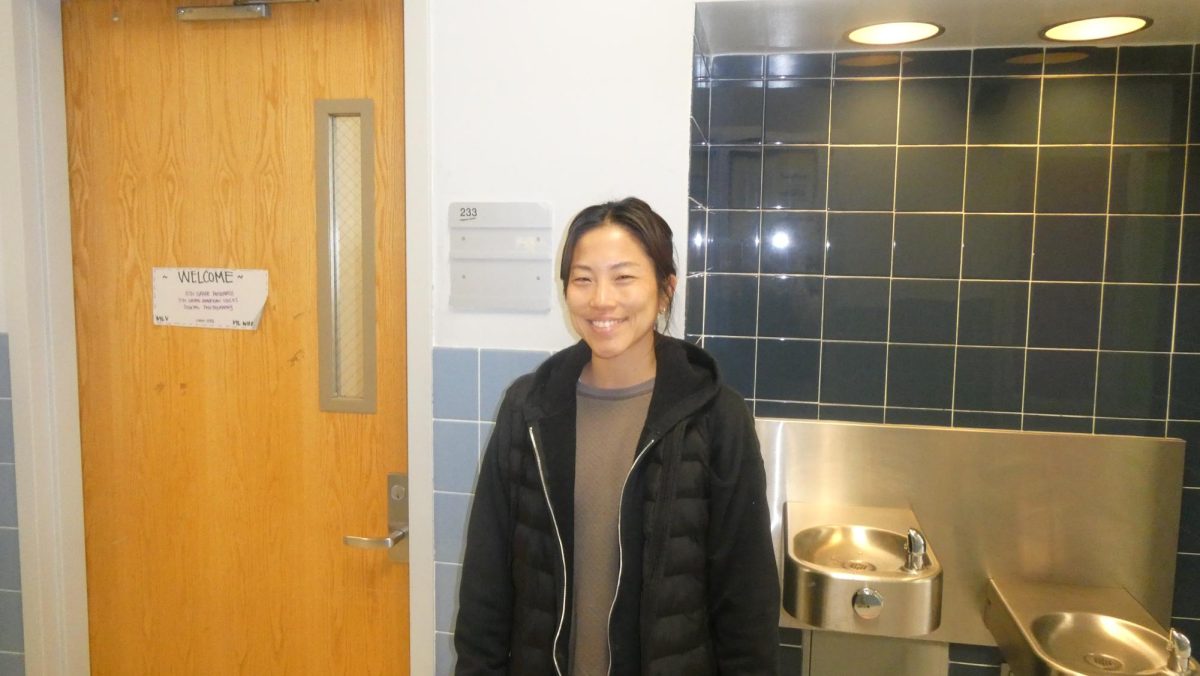
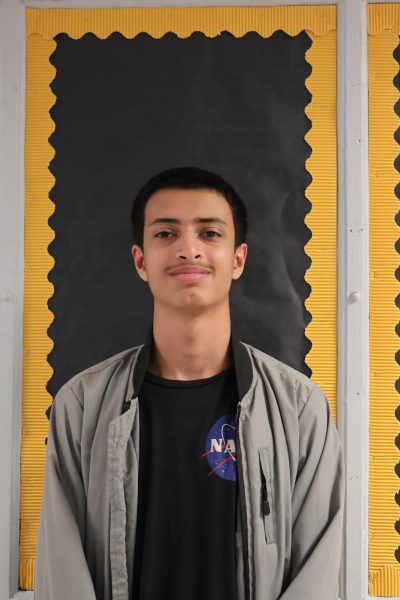
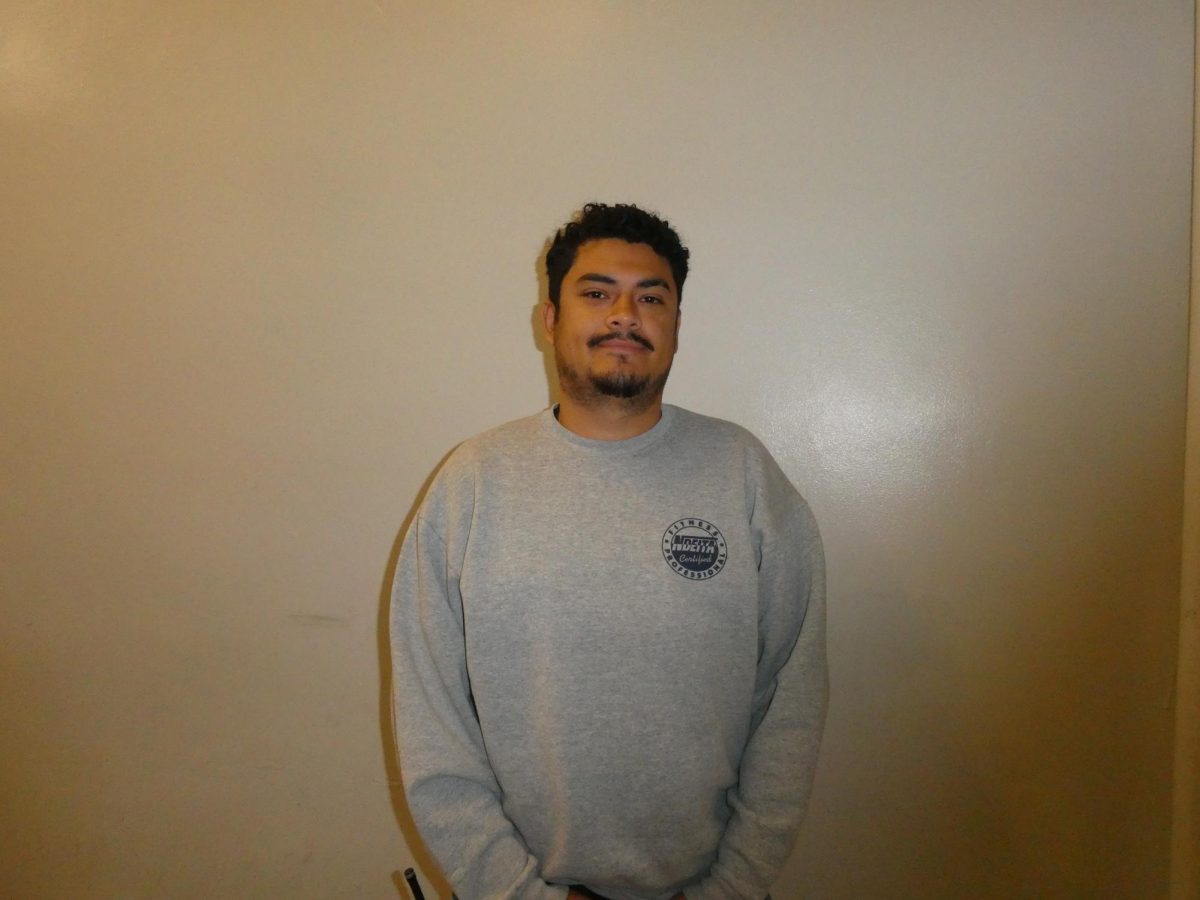
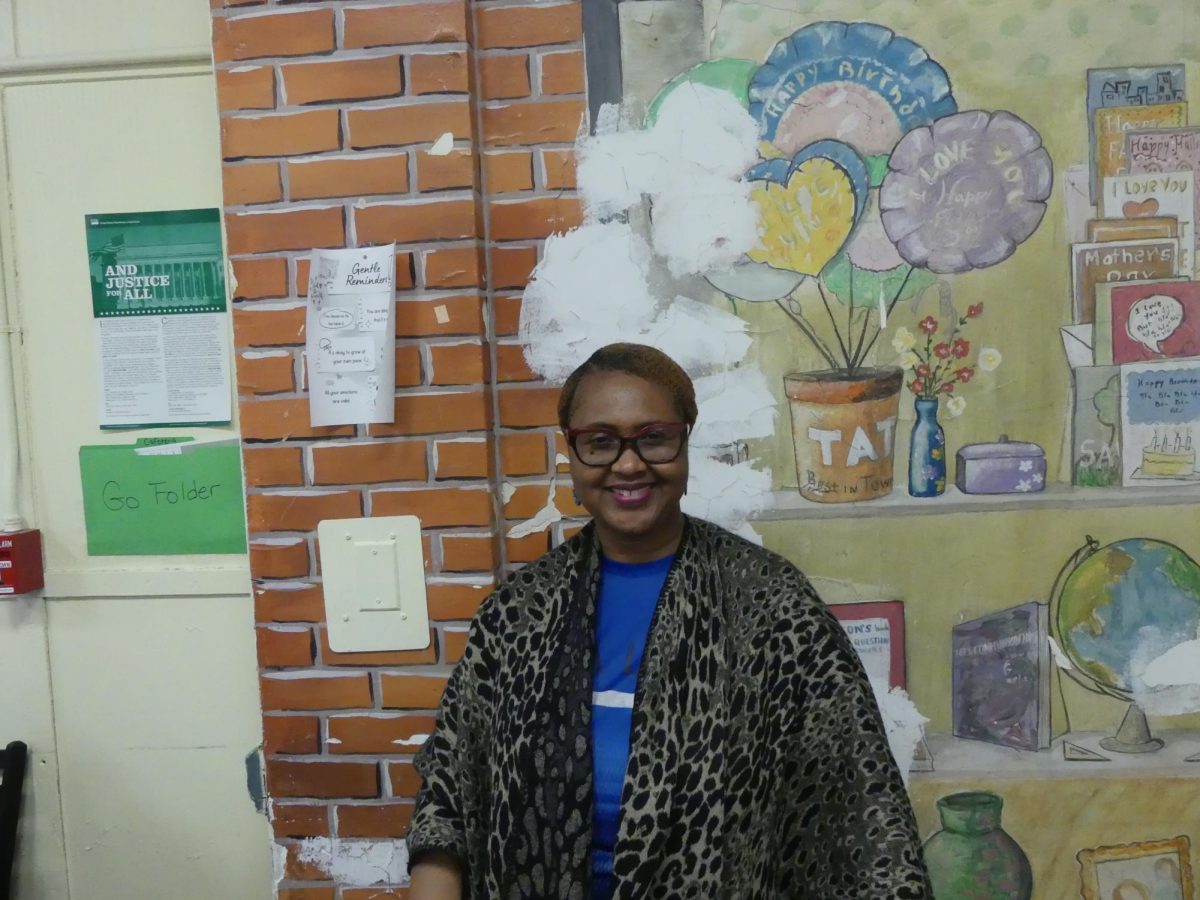
Mr. Alhaj, a 10th-grade Global History teacher, shared how the conflict impacts him and his family. “It’s very scary during times like this, like when Israel bombed Sanaa International Airport,” he said. “I couldn’t contact my family in Yemen for two weeks, which makes me worry for their safety.” With relatives in conflict-affected countries like Syria, Yemen, and Palestine, he often loses touch for days or weeks. “It’s terrifying because I don’t know if they’re alive or dead. That’s a really scary reality to face. Many of our Arab students experience the same thing, and as a Yemeni, seeing the news makes me sad, knowing they’re suffering back home.”
Mr. Alhaj also discussed how the conflict shapes his teaching, especially when covering the Israel-Palestine conflict. Since October 7, 2023, he has prioritized presenting facts without bias. “As a Global History teacher, we cover Palestine and Israel more than any other history class in this building,” he said. “I’m aware of who I’m speaking to—Arab students who are directly impacted or Jewish students who may feel a certain way. My job is to provide facts that don’t lean one way or another, never to take sides.” His approach ensures all students feel respected, regardless of their background.
Mr. Alhaj believes schools can raise awareness about lesser-known conflict-affected countries like Syria, Yemen, and Sudan. He highlighted the school’s after-school club, Equity, which educates students about these issues. “We have Equity, where they’re working on a project to teach about topics and countries like Yemen, Palestine, and Sudan that aren’t well-known,” he said. However, he noted the challenge of balancing this with a curriculum focused on standardized testing. “It’s complicated since we have a curriculum to prepare students for exams that determine their success. Our focus is always on students’ success.” He also acknowledged that not all teachers are equipped to address ongoing conflicts due to limited resources and the risk of bias. “It’s a modern-day issue, so there aren’t many resources, and people might be biased. As historians, we need to be careful.”
Mr. Alhaj encouraged student-led efforts outside the classroom. “There are places where students can raise awareness about Syria and other countries. We don’t influence what they should do—it’s their choice. They have resources like history teachers and adults in the school they can talk to.”
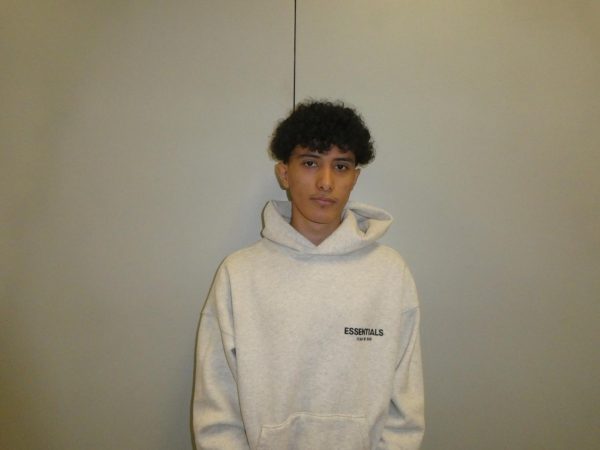
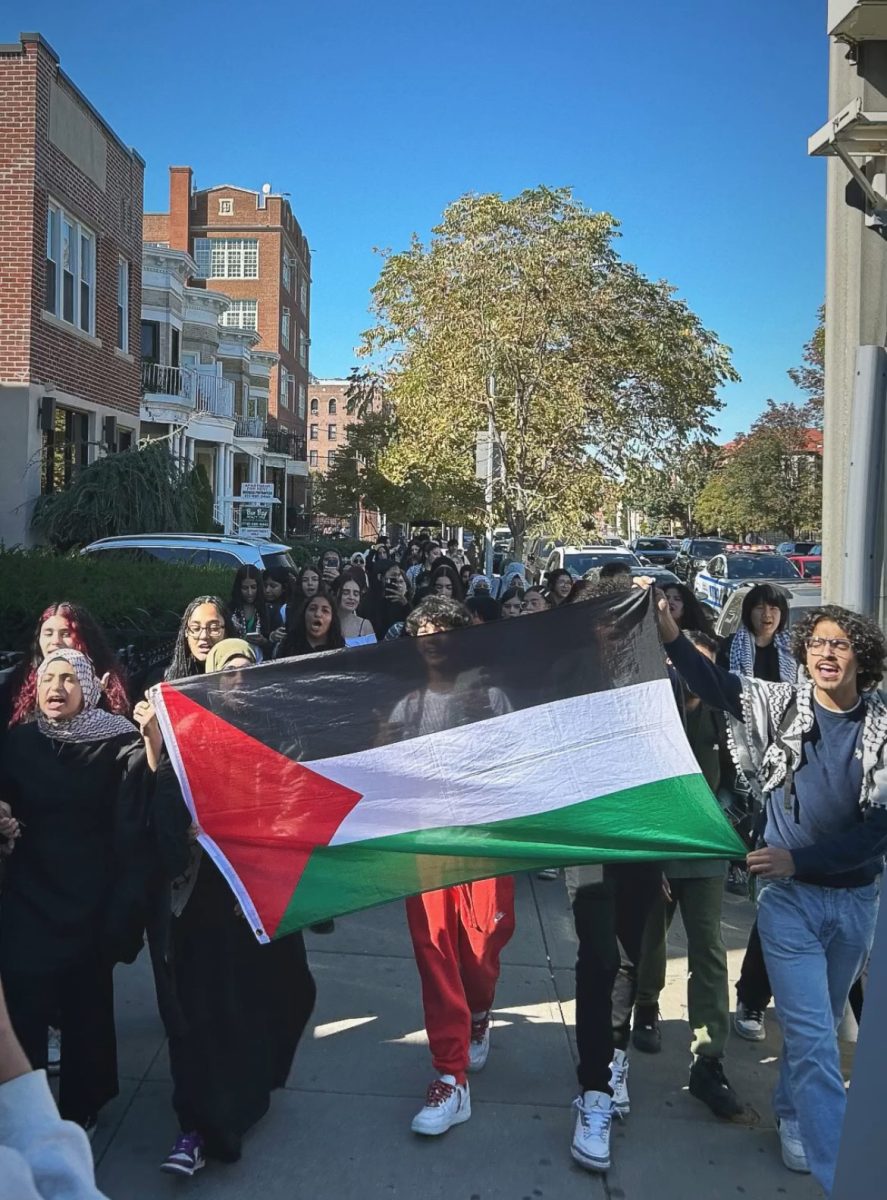
Junior Hala Musa shared the emotional toll of the crisis. “Being far away from home and watching my family get displaced and ethnically cleansed by the occupation makes me feel guilty because I had the privilege to be born here,” she said. “I feel like I got the easy way out, while my parents fled here.” Despite her safety in the U.S., Hala actively supports her community by attending protests and raising awareness at school while striving to remain unbiased. “I’ve been very supportive about things happening over there, going to protests, raising awareness in school while still being unbiased,” she said.
Hala also highlighted the rise in Islamophobia in Bay Ridge. “When my mom, who wears a hijab, and I walk down the block, we get nasty stares or slurs yelled at us on the train,” she said. This hostility extends to those wearing cultural clothing like kuffiyehs or abayas. Hala believes this stems from a lack of historical understanding. “People are uneducated and don’t understand history, which is why there’s so much hate toward Palestinians,” she said. The conflict has personal roots for her family, who haven’t visited Palestine since 2019 due to ongoing trauma from their experiences since 1948.
The crisis in Palestine continues to challenge Bay Ridge’s diverse community, but students and educators like Hala and Mr. Alhaj are fostering awareness and resilience. Through education and empathy, Tele is working to support its students and amplify their voices.