





















What happens when a test designed to measure growth instead becomes a source of stress, frustration, and lost motivation for students?
The Northwest Evaluation Association (NWEA) was founded in 1977 by educators who wanted more precise and equitable ways to evaluate students’ learning, emphasizing personal growth over merely meeting grade-level requirements. In 1985, the first online computer-adaptive tests were introduced, allowing tests to adjust their level of difficulty based on students’ responses. Adaptive testing became more reliable and accessible in classrooms during the 1990s thanks to technological developments. Building on these developments, NWEA formally introduced the RIT scale in the MAP (Assesses of Academic Progress) Growth exam in 2000. This scale assesses achievement without regard to grade level and enables teachers to monitor students’ progress over time. Math, reading, and language use became part of MAP Growth throughout time. In 2023, NWEA became part of Houghton Mifflin Harcourt (HMH), integrating MAP assessments with curriculum resources to better support personalized instruction and data driven teaching.
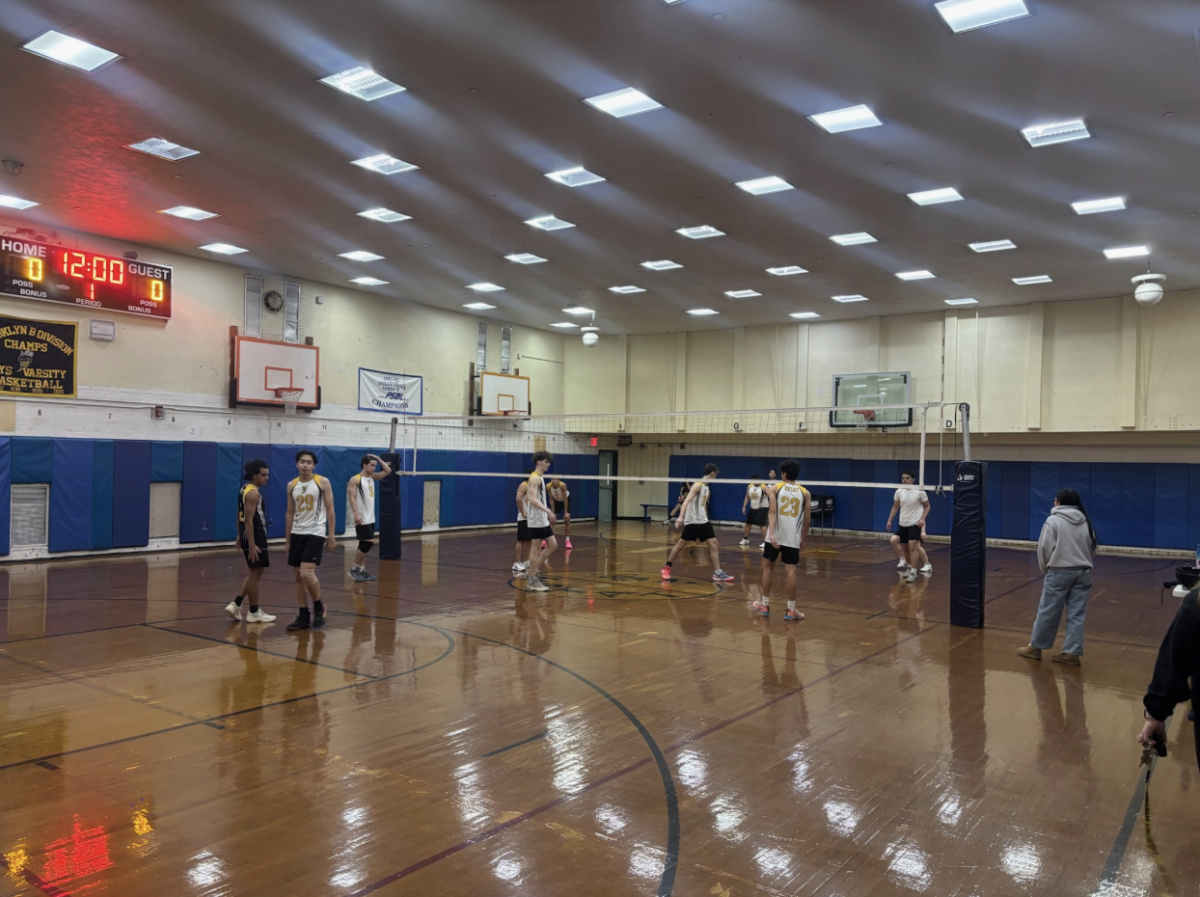
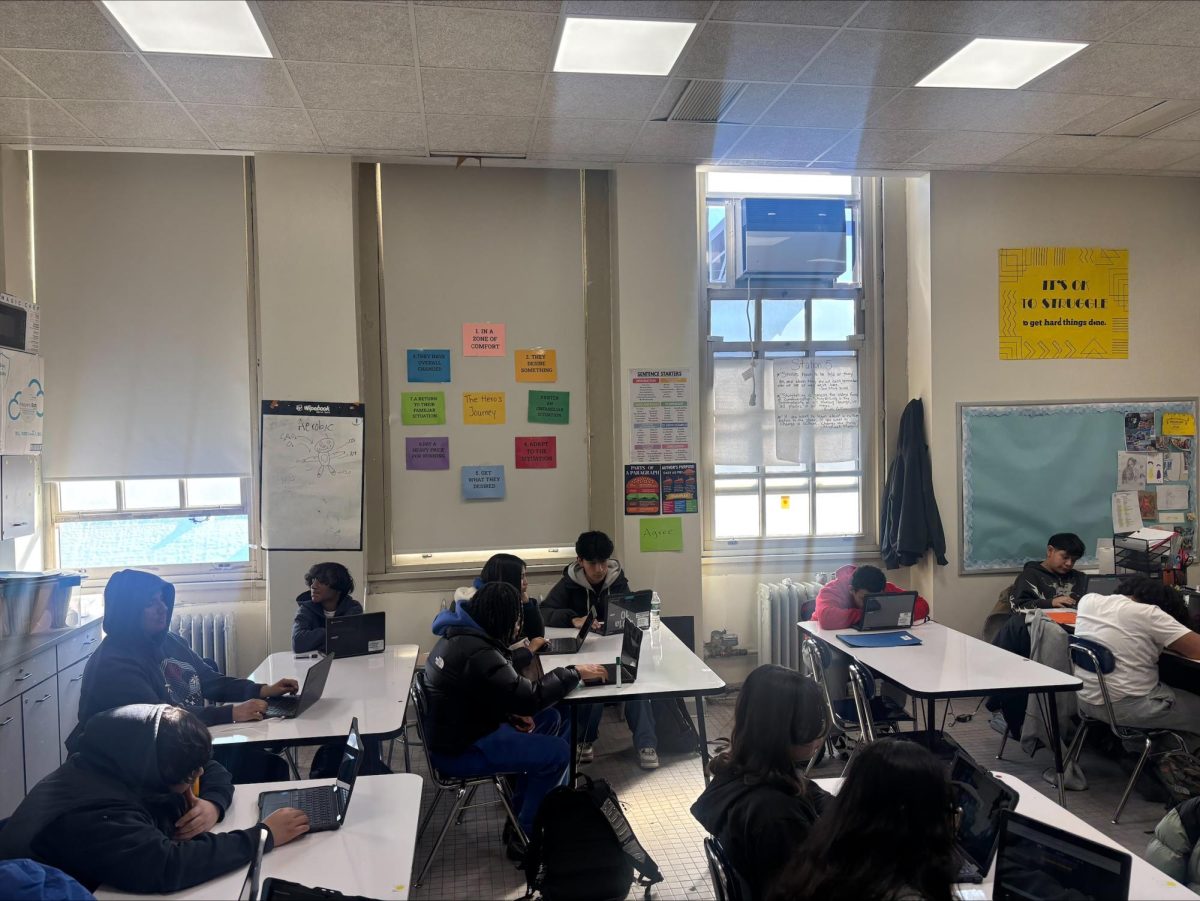
MAP testing mandated by the district began about five years ago in HSTAT, first taking place right after COVID. In the 2022-2023 school year, students came in at 9:00 AM to take the test, and then leave school when they have completed the exam. But starting the 2023-2024 school year, HSTAT decided to have all students take the exam during the day. Students are expected to follow a brand new schedule on testing days where they are expected to attend regular classes but with less time in order to take the test during the day, increasing stress and frustration for some.
“Schools expect us to work like robots rather than teach us skills that will help us in the future. Why do I need to test my math skills every year when I’m already taking the regents test for that class? The map tests are useless to me and my friends all agree.” says an anonymous Junior.
A senior at HSTAT who wished to remain anonymous tells us that she doesn’t believe students try and she notices a lot of students ending up with the sloth on their screen; the indication that they were moving too quickly, suggesting a high percentage of rapid guessing. As a result, these scores can inaccurately demonstrate a student’s academic strength, while simultaneously stressfully consuming a large portion of the day. Beyond the fact that the MAP testing can be incredibly time consuming, the MAP test can take a huge toll on a student’s mental health.
Many students are already so stressed out with college applications, grades, and other standardized tests. Sitting through another long test can increase burnout rates, anxiety, and stress. According to psychological toll high stake testing conducted and published by Youki Terada, he reports that “Students were nervous about not having enough time to finish, not being able to figure out the answers, and not passing the test.” Standardized tests have a substantial negative effect on students’ mental health, increasing stress, anxiety, and depression. According to statistics, a large percentage of students experience overwhelm (87% in one study) and elevated cortisol levels (15% higher during testing), which result in poor sleep, low self-esteem, and poor performance. (Harvard graduate school of education, 2019) (Youki Terada 2022)
An anonymous history teacher here at HSTAT mentioned bringing back written performance tasks for students because it was more useful for teachers to understand students’ scores and not just focus on math and English but in every class. They also mentioned that these exams were graded so it encouraged students to do their best and strive for a higher grade. The teacher also noted that written assessments allow educators to see students’ thinking processes rather than relying solely on data points. Additionally, the Shark Tutor blog (A tutoring platform) suggests that students often perform better on paper-based exams because they can annotate texts, solve math problems more clearly, and retain information more effectively than on digital tests.
While MAP testing is designed to measure academic growth, its lack of impact on students’ grades often leads to low motivation, especially in high school students. When combined with disrupted schedules and heightened stress levels, MAP testing at HSTAT can feel ineffective and unproductive. Implementing a new way to test such as graded performance tasks in each subject could better engage students, support learning, reduce unnecessary pressure and increase student confidence.

