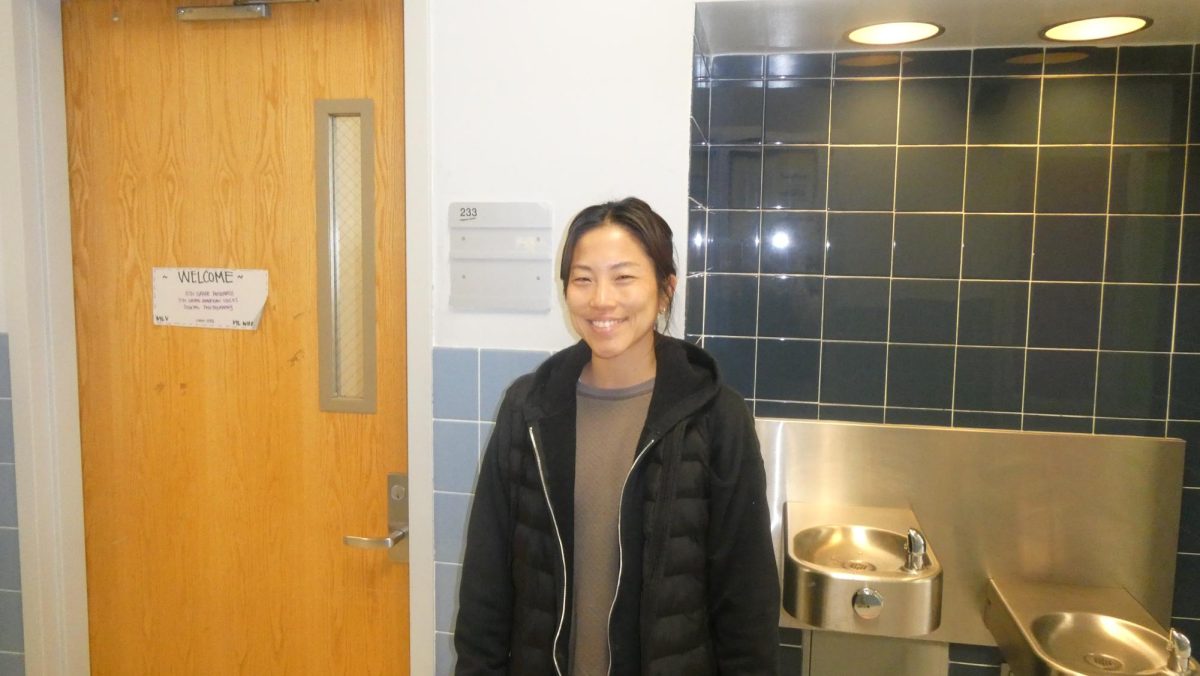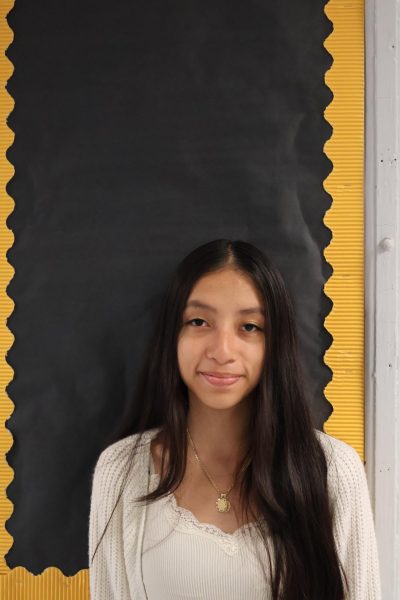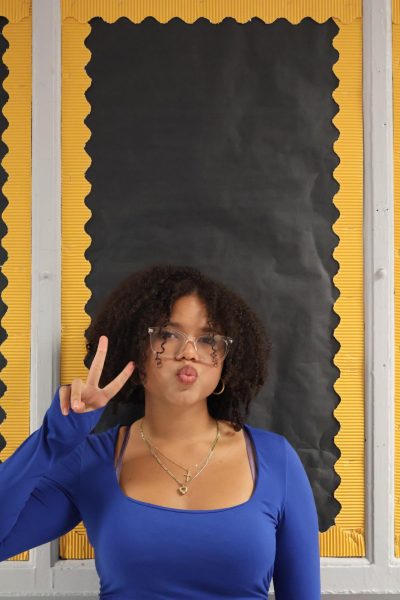











Editor’ Note: Students’ real names were not used in this article to protect them during this time of great uncertainty.
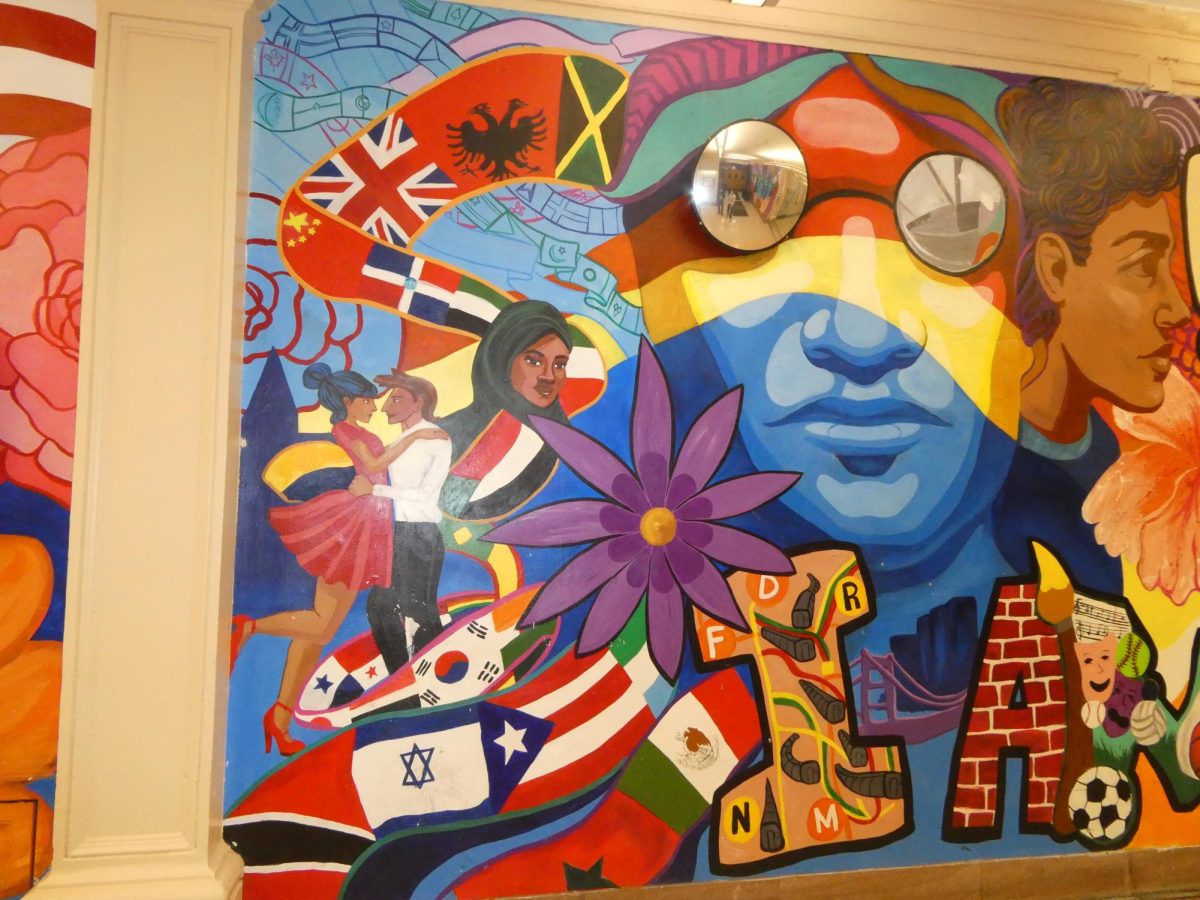
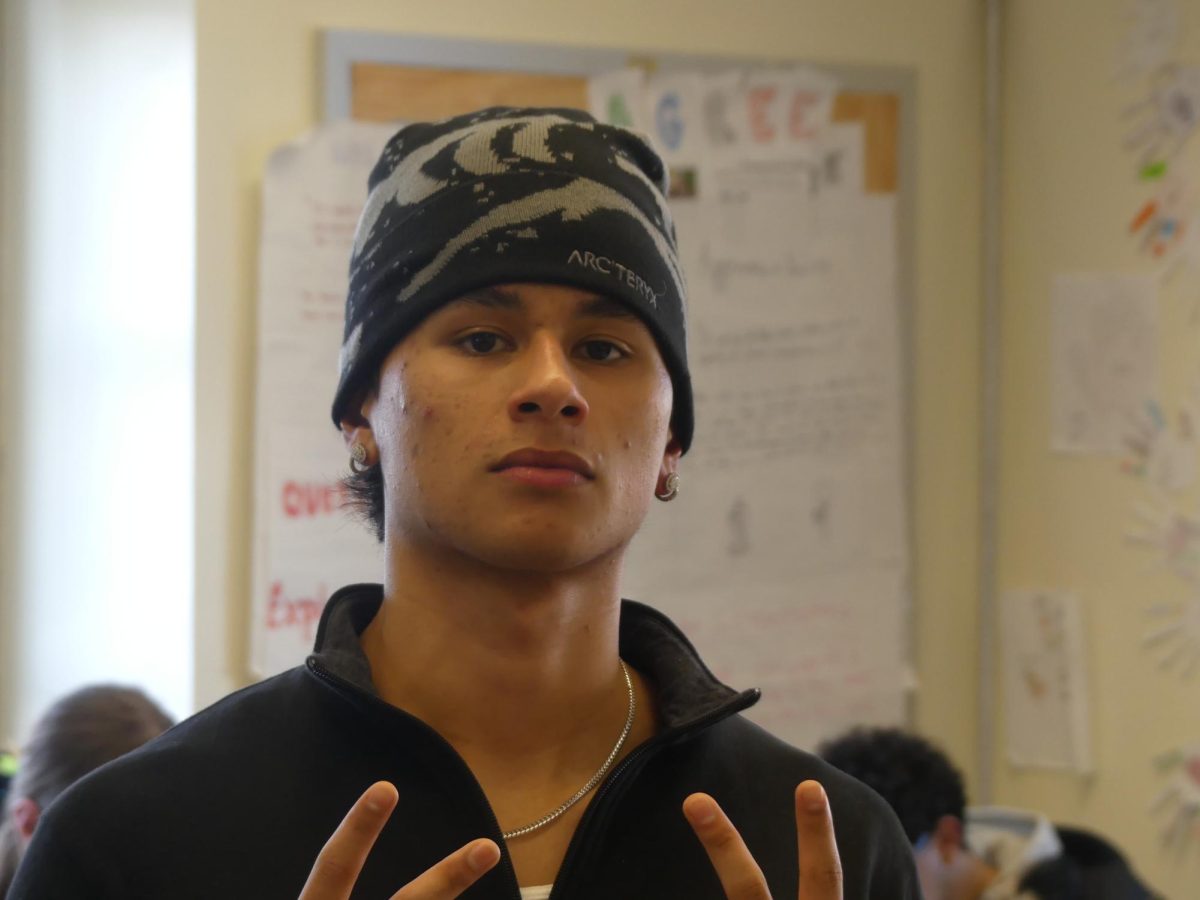
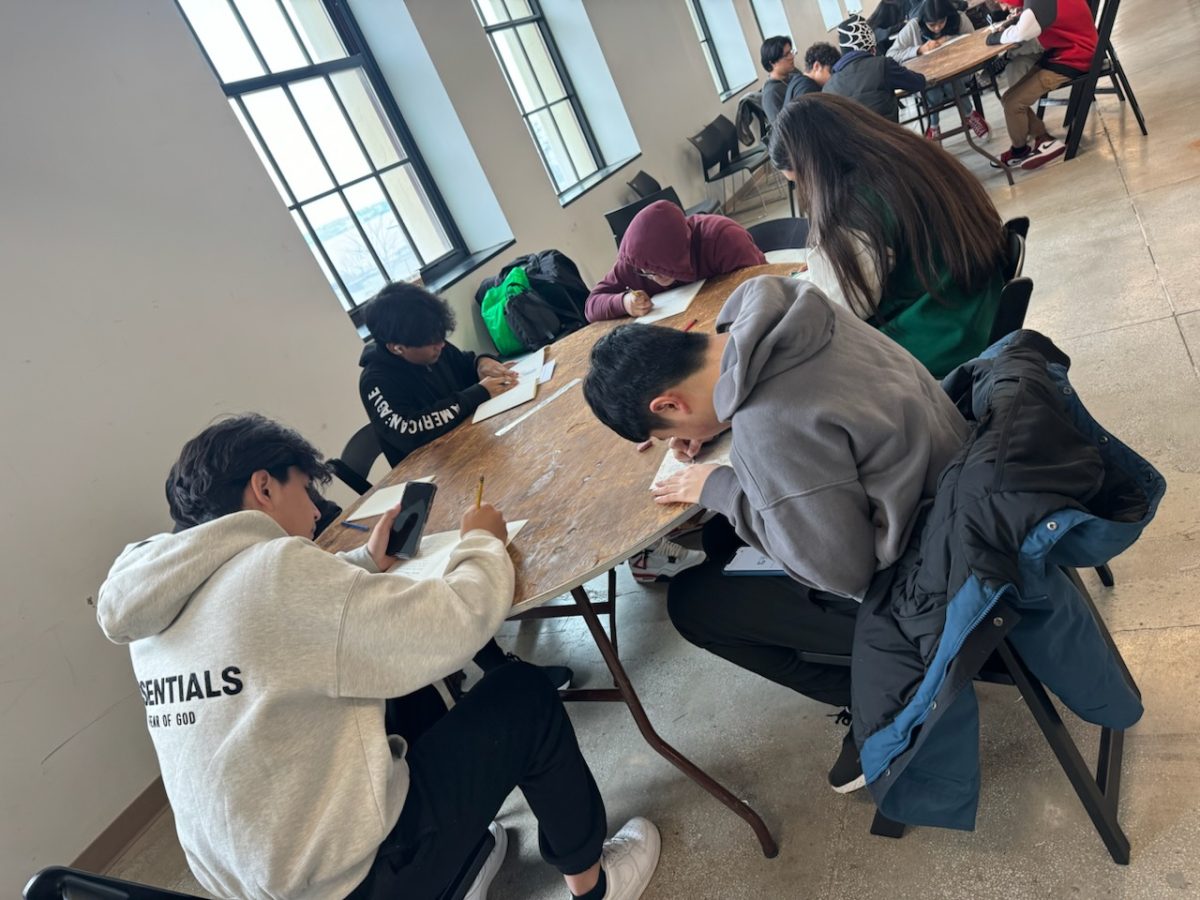
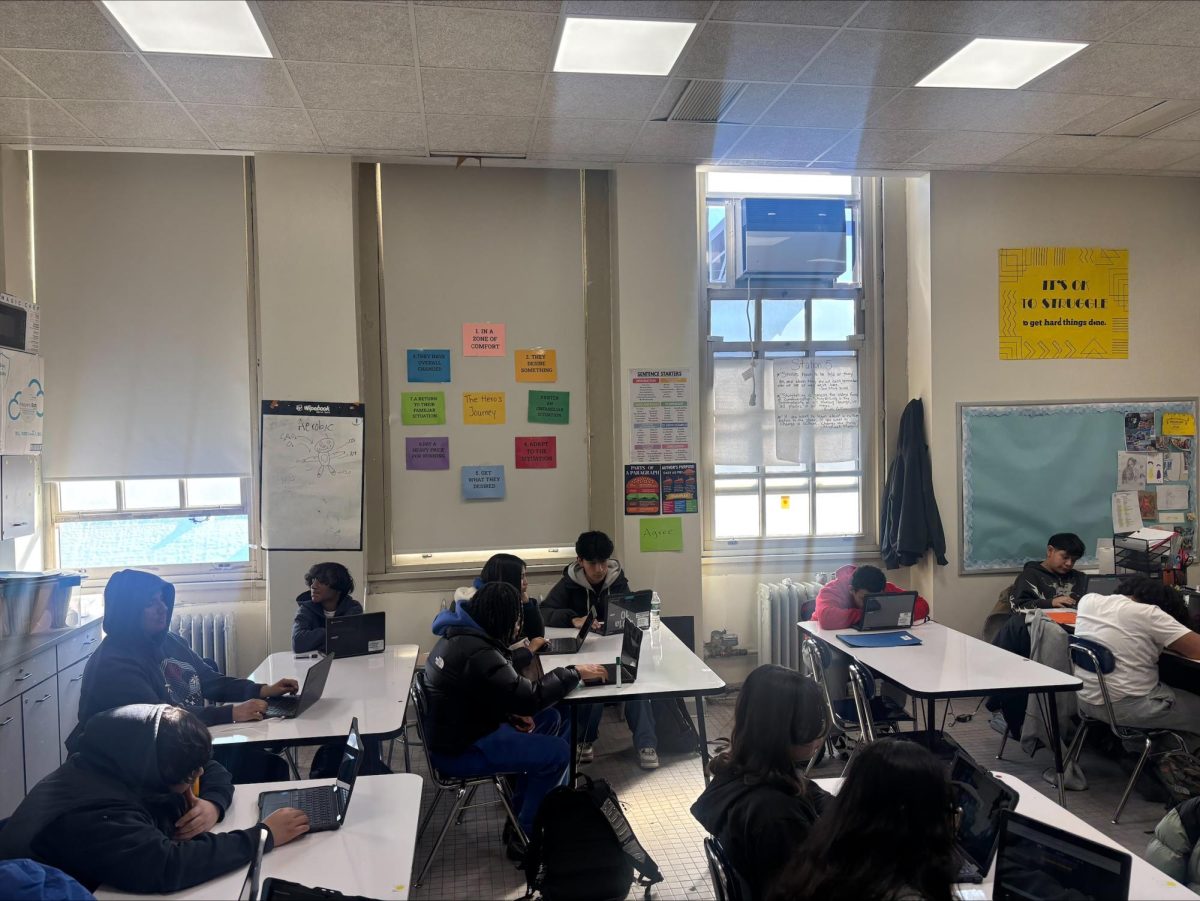
The High School of Telecommunication Arts & Technology has long been known for its proud immigrant student population. As recent conversations across the country continue to arise and rhetoric sours, it is more important now than ever to share immigrant student stories.
When immigrant students enroll at our school, we welcome them with open arms. New arrivals to the United States are put it in to our English as a New Language Program. That program currently, at the time of publishing, has 124 students enrolled. However, there are hundreds more who are not currently in the ENL program but who identify with that background.
While parents mainly come seeking a better future, students often have a hard time getting comfortable in their new surroundings. One 10th grade student comes from Columbia along with family from Venezuela, and has faced many challenges since she came.
“Pues yo sentí que fue un cambio muy grande para mí, porque tenía que acostumbrarme a un nuevo idioma y las culturas” (“Well I felt like it was a very big change for me, because I needed to get used to a new language and its cultures.”) said the anonymous 10th grader.
This was just the beginning when it came to her struggles.
“El adaptarme al idioma y que no siempre estás en las mismas clases que las personas que conoces y tienes que hablar con mucha más personas.” (“The adapting to the language, and that you are not always in the same classes with the people you know and you need to talk with many people.”)
During her freshman year she discovered that classes are different every period which is not common in her old schools.
This change surprised her a bit, as those not used to that can become exhausted by the new routine.
Despite the language barrier one support system she had were her teachers. More specifically her English teacher.
“Pues en mi primer año tuve unos problemas y mi maestra me apoyaba mucho y me daba consejos. Todavía hablo con ella.”
(“Well in my first year I had a few problems, and my teacher supported me a ton, and gave me advice. I still talk with her.”)
Immigrant students at HSTAT, like many across the country, often live in fear due to the presence and actions of ICE (U.S. Immigration and Customs Enforcement).
With ICE carrying out raids and arrests that many feel are unlawful, students worry about the safety of their families, which can affect their mental health and ability to focus in school. Many teachers have decided to help by educating students about their rights.
ICE raids across the United States have reached our own student population.
“I can’t go out with friends because sometimes we get notifications that ICE has been around the area, so I miss out on a lot of hangouts,” said an 11th grader who chose to remain anonymous.

A senior, originally from El Salvador, came to the United States in 8th grade in search of better opportunities.
The “El Salvador to NYC pipeline” refers to the migration of many Salvadorans to New York City, especially starting in the 1980s due to the civil war and violence in their home country.
Over time, they’ve built strong communities in the city, contributing to its culture and economy while facing challenges like immigration status and social issues.
Reflecting on his first day of school, he remembers feeling out of place, surrounded by people speaking a language he didn’t understand. “La primera vez que llegué a la escuela me sentía demasiado extraño ya que todas las personas hablaban otro idioma que no era el mío y que yo obviamente no sabía hablar y me sentía muy extraño.” (“The first time I arrived at school, I felt really strange because everyone was speaking a different language than mine, one that I obviously didn’t know how to speak. I felt very out of place.”)
These experiences serve as a reminder that our community is made up of diverse backgrounds. The challenges these students have faced should not go unheard.
“Ser más comprensivo, es muy difícil venir a otro país y también aprender otro idioma encima de tener muchas clases diferentes.”
(“To be more understanding—it is very difficult to come from another country and also learn another language on top of having many different classes.”)