




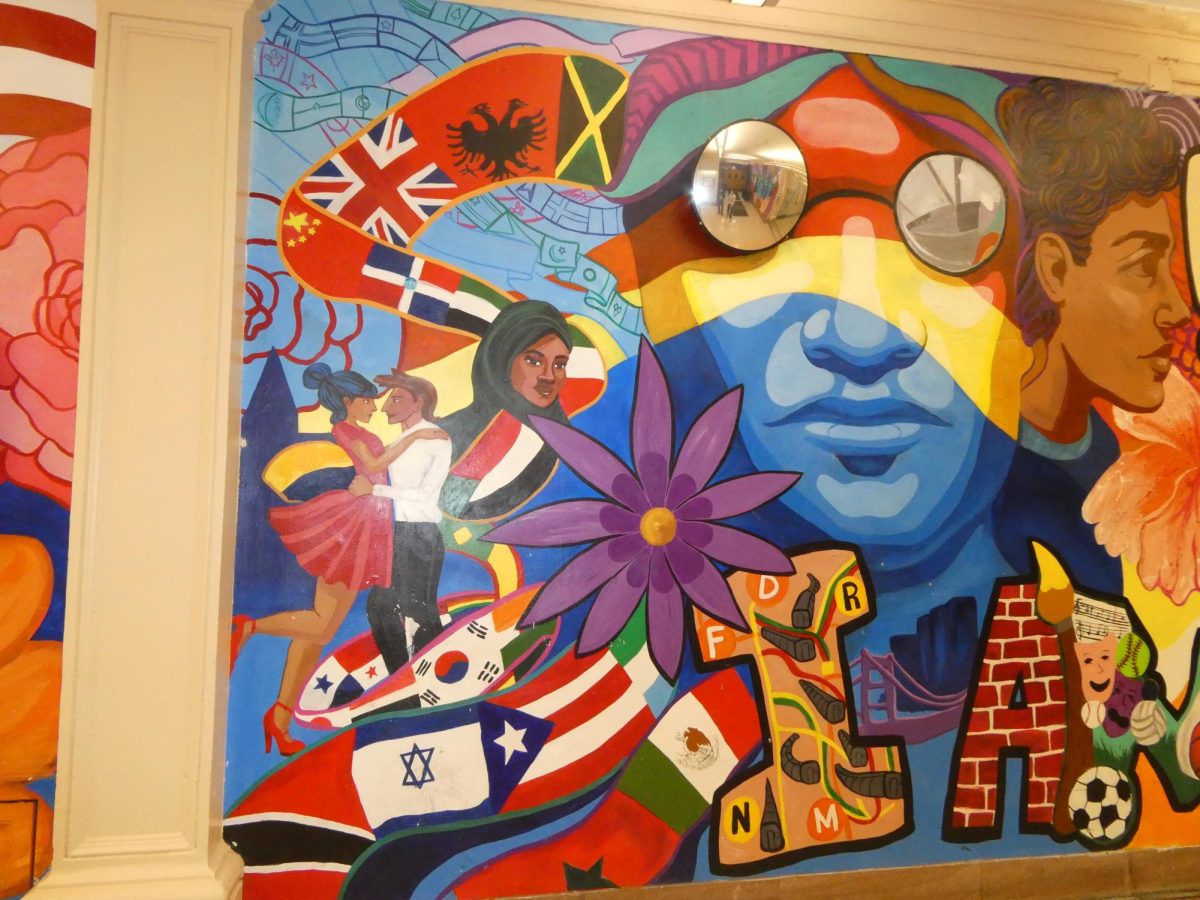


New York City is home to one of the largest immigrant populations in the United States. From the languages spoken on subway platforms to the family-owned businesses lining neighborhood streets, immigrants are a vital part of the city’s identity. While this diversity is wonderful, recent immigration policies have created fear and uncertainty for many immigrant families.
In previous years, citizens from most countries were able to apply for U.S. citizenship and green cards. However, the President of the United States and his administration have recently changed these policies following an attack in November on National Guard troops in Washington, D.C. As a result, citizens from certain countries are now banned from applying for citizenship and green cards, significantly limiting opportunities for families hoping to reunite or build new lives in the United States.
The countries affected by these bans include Afghanistan, Burkina Faso, Burma, Chad, the Republic of the Congo, Equatorial Guinea, Eritrea, Haiti, Iran, Laos, Libya, Mali, Niger, Sierra Leone, Somalia, South Sudan, Sudan, Syria, Venezuela, and Yemen (cited by Employment Law Worldview).
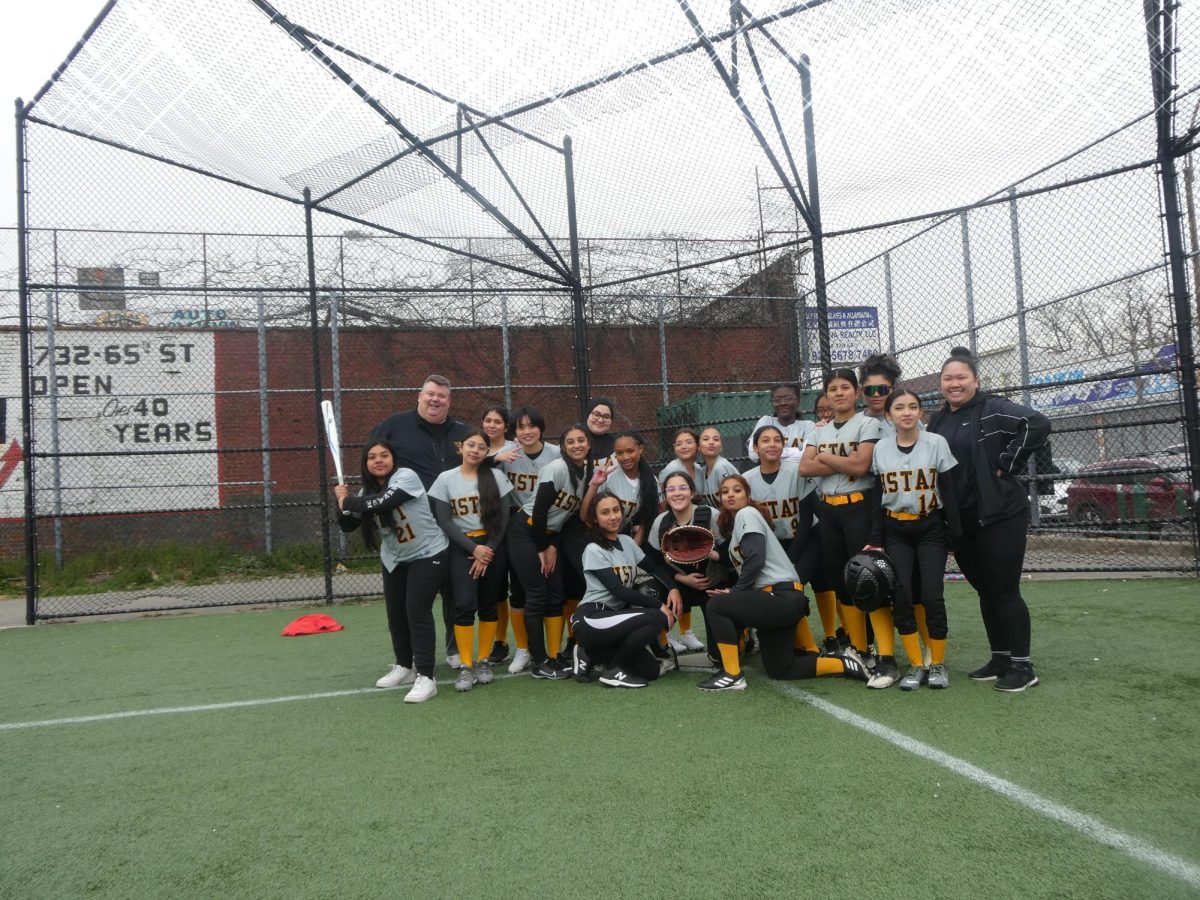
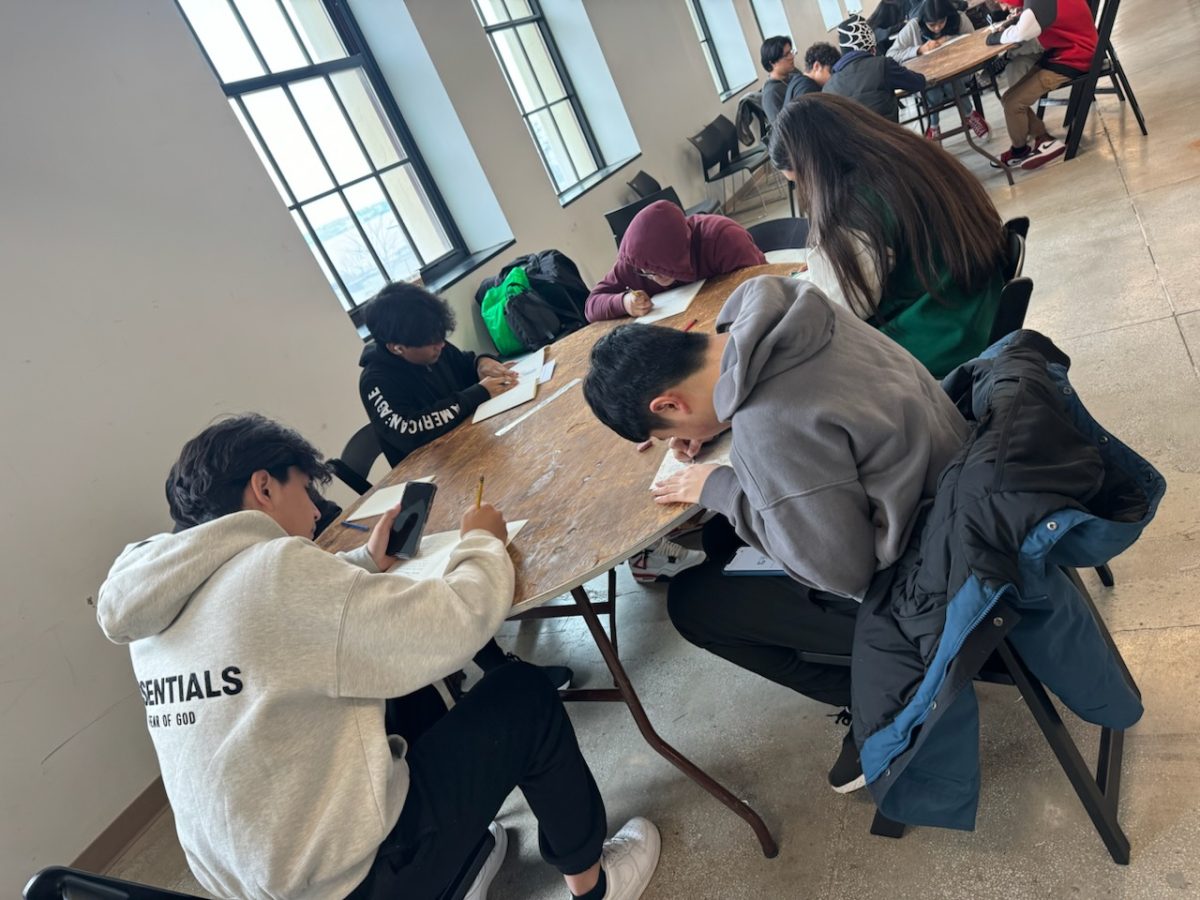
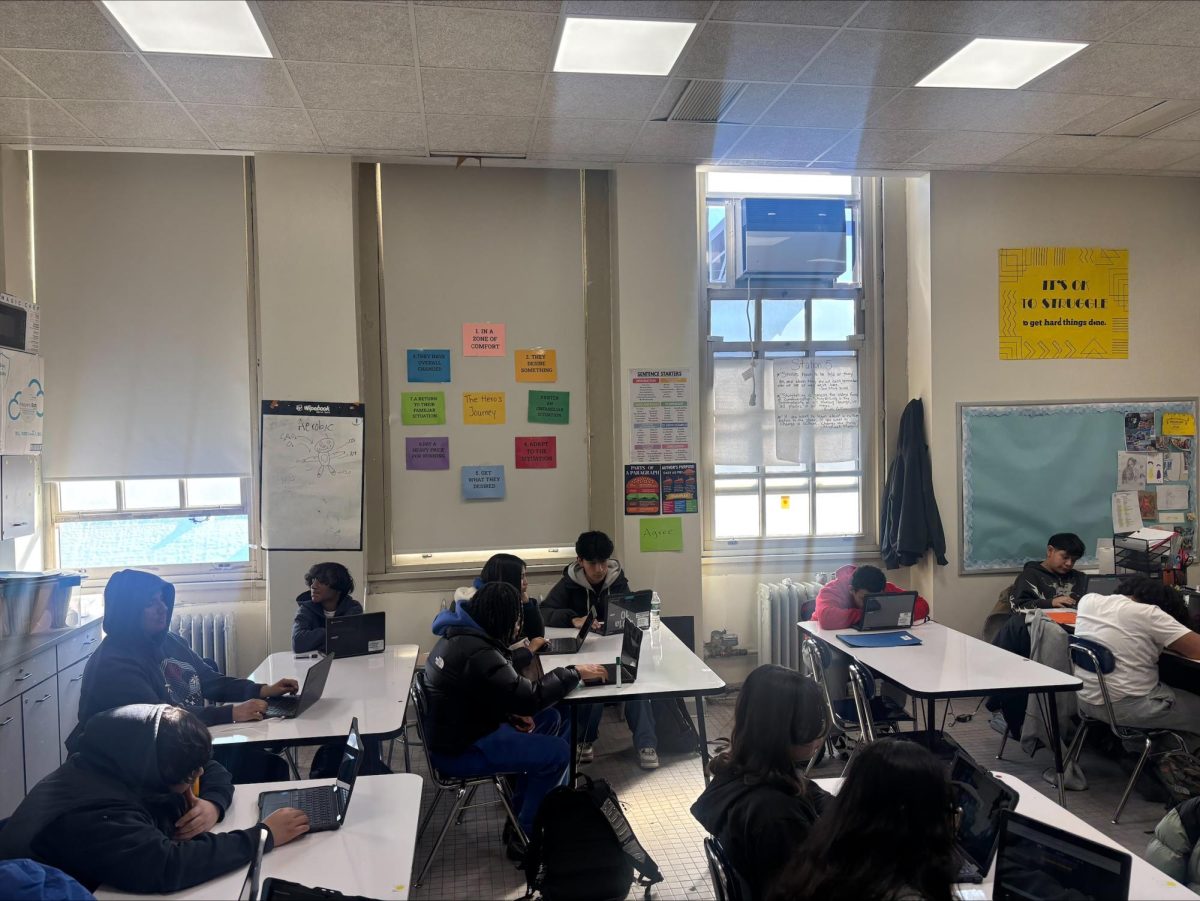
These policies do not just affect adults—they impact our students too. HSTAT is home to tons of immigrant students, and there are schools across NYC where the percentage is even higher. Students often bear the emotional weight of immigration decisions made far beyond their communities, and even when students themselves are U.S. citizens, this fear and stress may follow them home.
In neighborhoods like Bay Ridge, about 38% of the population—approximately 31,920 people—are immigrants. In Sunset Park, immigrants make up around 54% of the population, totaling roughly 54,450 residents. For many families in these communities, immigration policy is not a distant political issue; it is a daily reality that affects whether parents feel safe going to work, traveling, or even leaving their homes.
This raises an important question: Who should be responsible for making immigration policies that affect millions of lives?
“In general, it should be our government, but as of right now, our government is being led by one guy, so I don’t really want it to be our government right now,” said math teacher Mr. Luchnikov.
Luchnikov also shared his personal connection to immigration. “That’s actually how I’m here—my parents were offered a green card, and that’s how they were able to leave Ukraine and come to the United States.”
Unfortunately, not everyone has been given this life-changing opportunity. Many families remain separated by borders and paperwork, unable to reunite with their loved ones. For those already in the United States, fear has replaced what once felt like stability and home.
There are people who are still miles away from the people they love, and it makes them feel helpless.
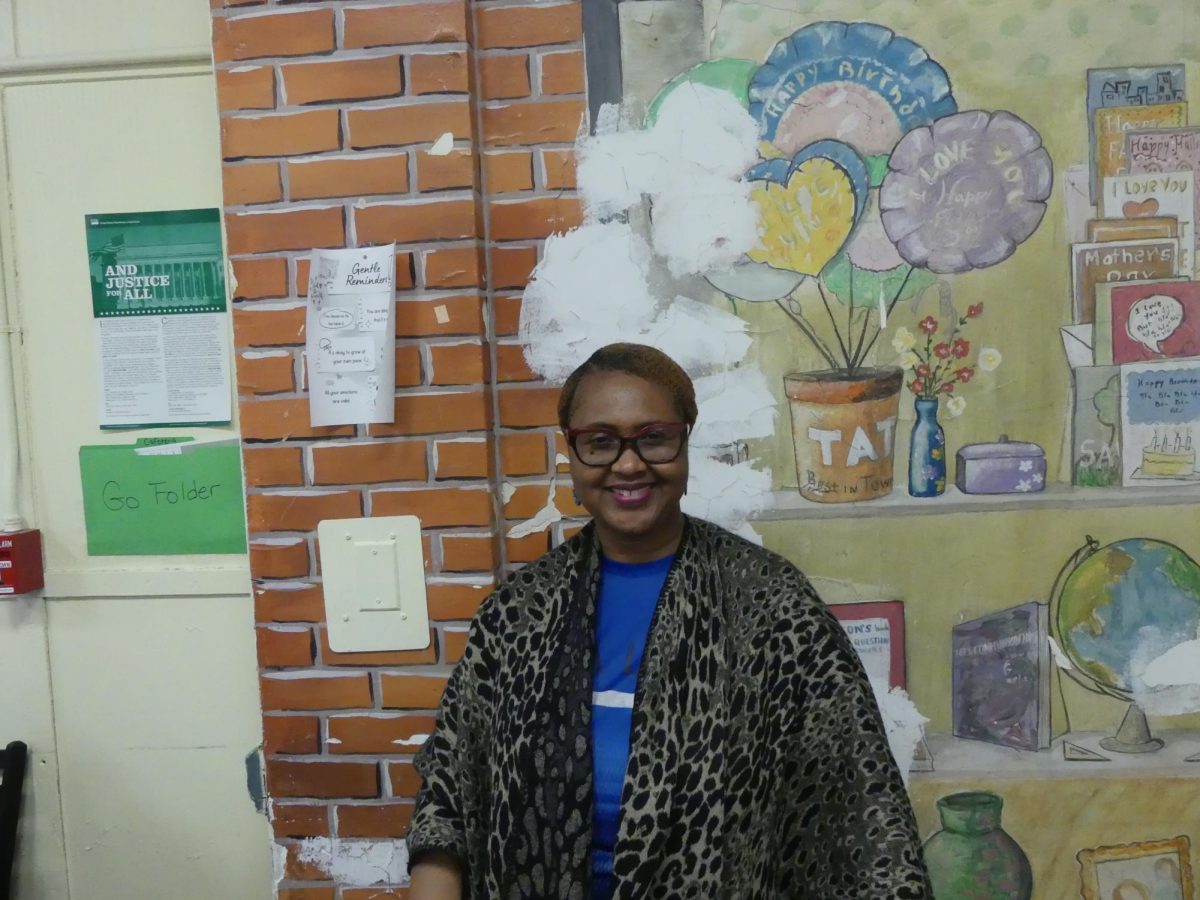
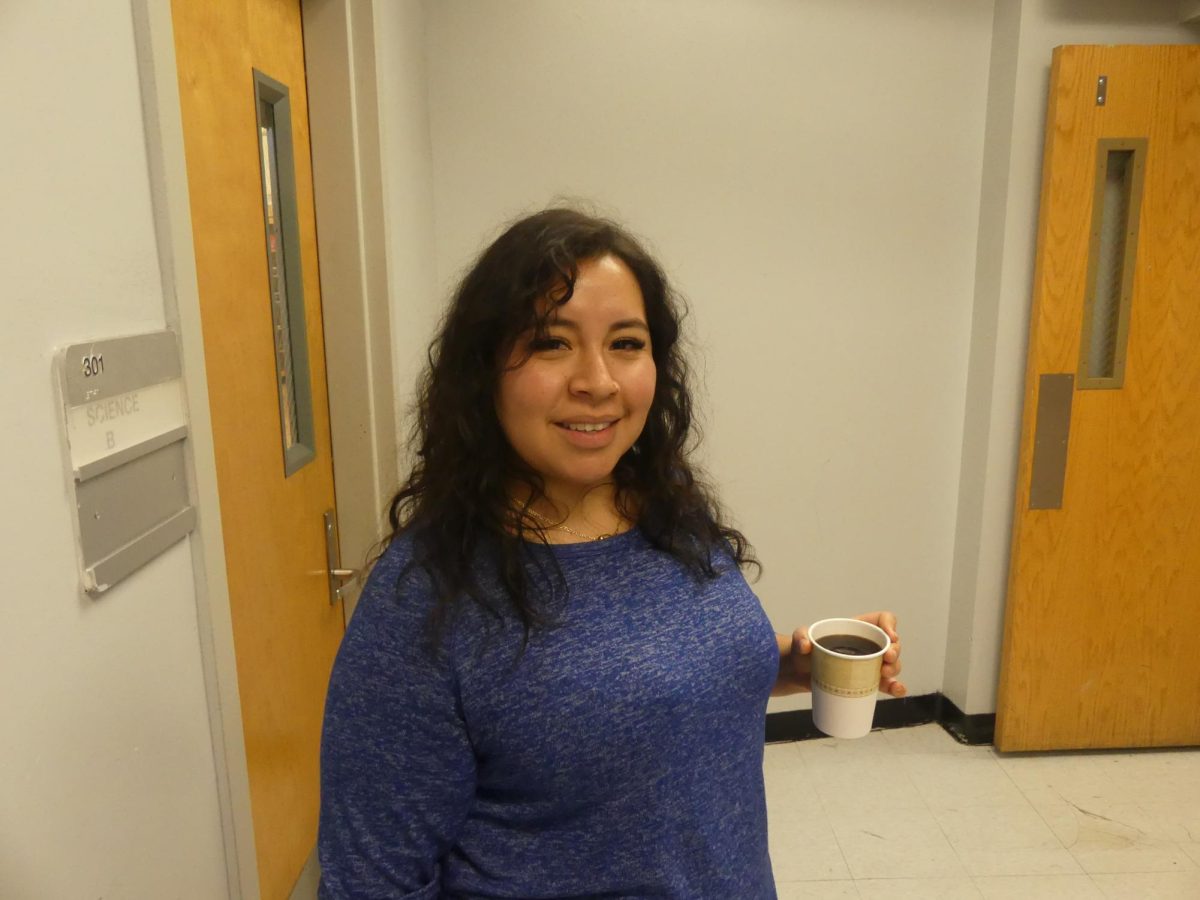
“It’s hard because those who are here and may want to visit their families are now afraid to do so, whereas they weren’t before,” said Dean Ms. Lanza.
“So much has changed.”
As immigration policies continue to shift, students and families across New York City are left waiting—uncertain about what the future holds. For a city built by immigrants, these decisions have lasting consequences that go far beyond politics, and will go on to shape the lives of an entire generation.

