




















Mental health has become a prevalent topic among Gen Z and the rising Gen Alpha. As students become more open about their struggles, an important question remains: Are schools truly doing enough to support students’ mental well-being?
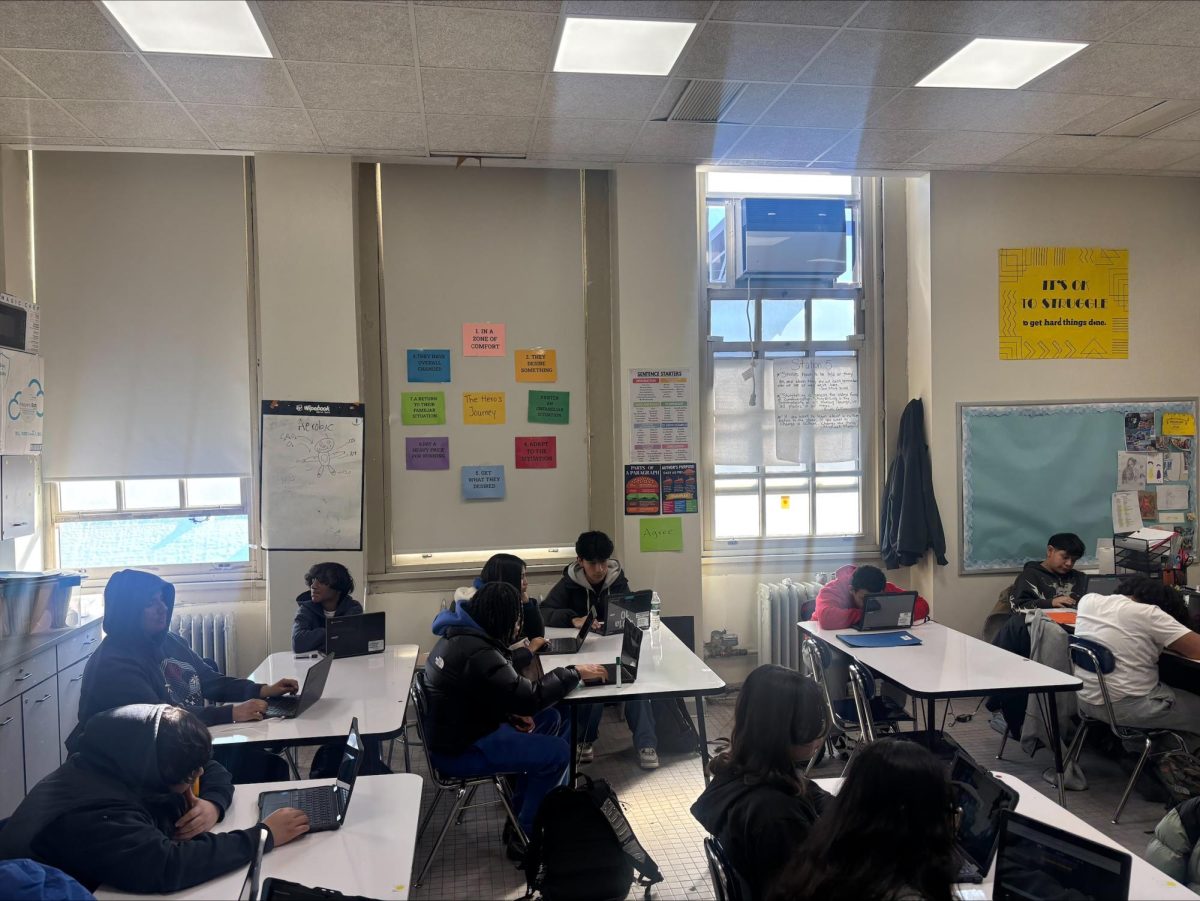
At HSTAT, mental health is no longer a silent issue. With a team of nine licensed mental health professionals. Including guidance counselors,school psychologists, and a Spanish-speaking counselor. Students in HSTAT have multiple resources available to them. But access alone does not always mean students feel fully supported.
Lizzy Kopaleishvili, Class of 2027, shared how her guidance counselor, Mr. Vargas, helped her manage stress and difficult emotions. “A lot of the time you think you’re the only one going through something,” she said, “but there’s always someone going through something similar.”
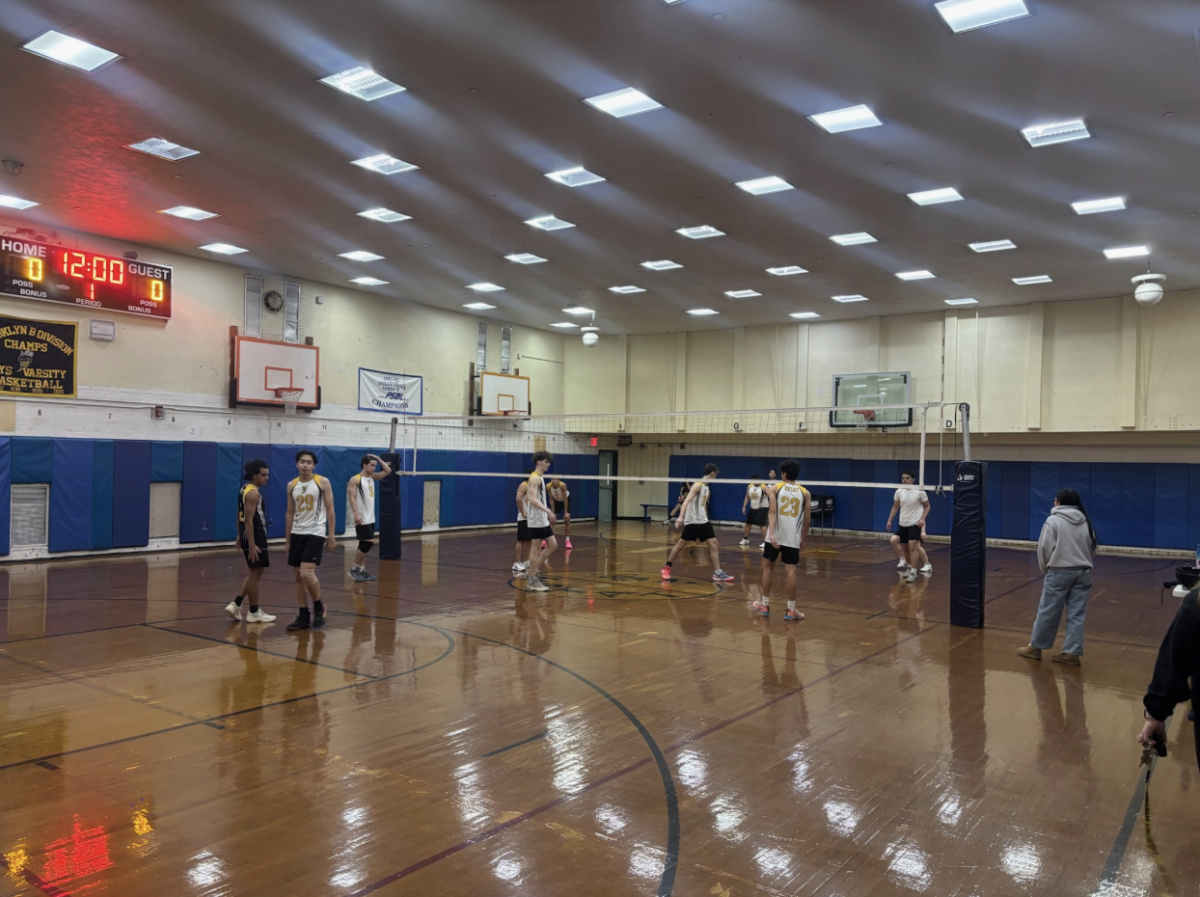
Teachers and staff also emphasize healthy coping strategies. Biology teacher Mr. Flores reflected on how physical activity helped him deal with stress in high school. “Playing soccer or going to the gym with friends helped me release stress,” he said. “Sometimes you just need to be around people you’re comfortable with.”
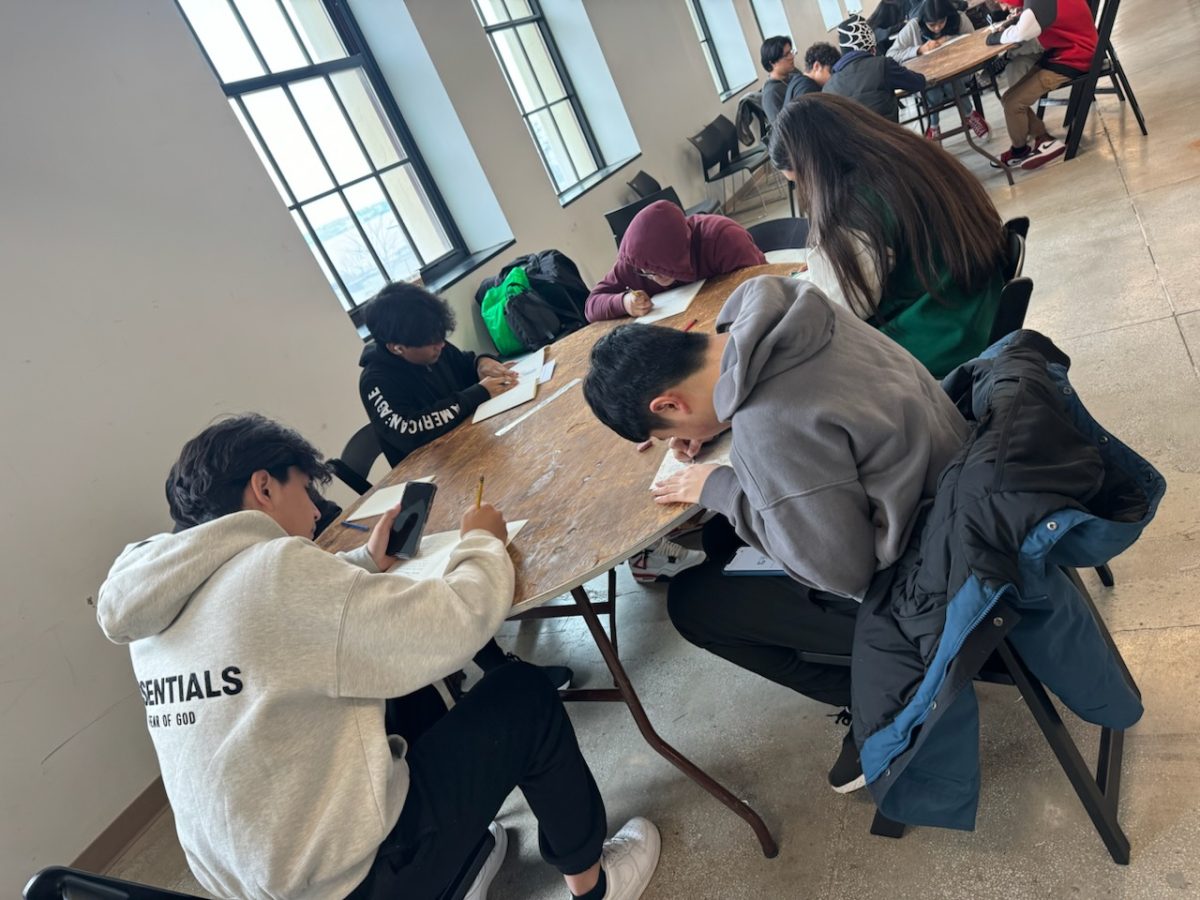
Mr. Rubin recalled how tutoring and extracurricular activities helped him when he was a student at HSTAT. “If I was stressed, I’d go to tutoring or play soccer,” he said. He encouraged students to stay involved, adding that clubs and after-school activities help students feel connected to their school community.
Zain Khan, Class of 2026, brought attention to a topic often ignored: the link between drugs and mental health. “People think smoking is a distraction, but it actually makes things worse,” he said. Instead, he suggested healthier outlets like sports, content creation, and focusing on personal goals. “Giving time to yourself is the best way to handle stuff.”
Despite growing awareness and available resources, not all students cope in healthy ways—some admit they simply ignore their struggles. While conversations around mental health are improving, students’ experiences suggest that schools still have room to grow when it comes to truly supporting student well-being.