





As tensions between the United States and Venezuela continue to rise, families across NYC are living amongst growing fear for their loved ones back home as they watch the geopolitical crisis unfold thousands of miles away.
As the US intensifies its operations near Venezuela and Caracas, the political standoff and warnings of foreign aggression has begun to ripple far beyond the Caribbean. For the thousand of Venezuelan families here in NYC, the escalating tensions aren’t just a headline taking place thousands of miles away; it’s a source of fear and uncertainty for both them and their loved ones back home as they attempt to cope with a crisis that is both global and deeply personal.
The Hive interviewed Venezuelan community members in our neighborhood to find out how recent events have impacted them.
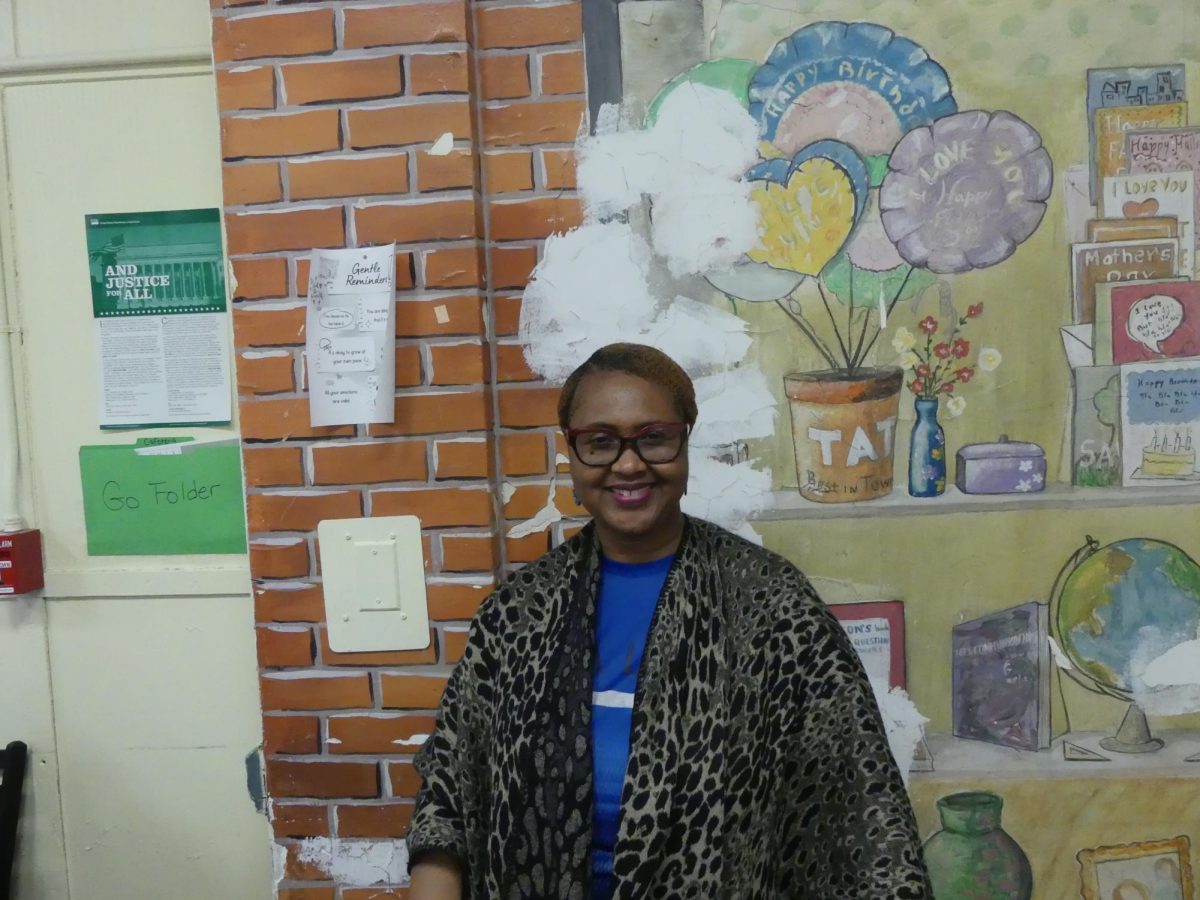
For Maria Gonzalez, a public school teacher here in New York who emigrated from Maracaibo, staying in touch has become a daily ritual for her.
“I check Venezuelan newspapers every morning and talk to my family on Whatsapp,” she said. “That’s how I know what’s really happening.” Gonzalez says the stress follows here while she tries to teach in the classroom. “Some days it’s hard to focus. I’m grading papers while wondering if my parents in Venezuela have electricity. “
Gonzalez also believes that many New Yorkers don’t fully understand the emotional weight Venezuelan families carry. “People see headlines, but they don’t feel fear. They don’t know what it’s like to worry about two countries at once.”
The same fear is shared by Luis Alberto, a restaurant worker in Sunset Park.
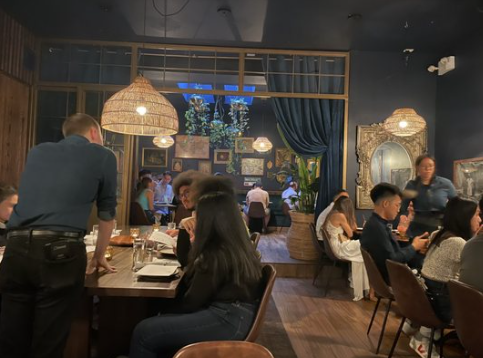
Alberto says that the rising tensions have made him anxious, especially because his brother still lives in Venezuela. “Every time that I see news about the U.S and Venezuela, my stomach drops because if things get worse, regular people will suffer first and then us.”
Alberto stays informed through Venezuelan radio stations and social media, but he admits that the constant overload of updates can be overwhelming.
“I literally have to worry about paying my bills, rent, car, and all these things while receiving minimum wage on top of what’s going on in my home country,” says Alberto.
For Carlos Hernandez, a delivery driver and father of three, the crisis feels even more personal. His children were born here in NYC, but their grandparents still live in Venezuela.
“When the U.S gets involved in other countries, it never goes well. Take a look in Iraq and Afghanistan and the Middle East, just take a look. Their country is ruined, does that remind you of something? Maybe what’s going on in Venezuela? It was never about drugs I can tell you that.”
Across the city, Venezuelan New Yorkers describe the constant mix of fear, frustration, and confusion. Many say they feel caught between two governments whose decisions could reshape their family’s future. Many here have also described the horrific regime of Maduro and how this could escalate into a larger conflict, one that would deepen the humanitarian crisis already going on in Venezuela.
Despite the uncertainty and fear, community members continue to support one another by sharing news, checking on loved ones, and gathering in local Venezuelan restaurants and cultural centers to talk through their fears. For many, these conversations offer a small sense of stability and comfort during a time of unpredictability.
As for the political standoff and the recent military operation and capture of Maduro (as of January 3, 2026), one thing is clear: the impact of the U.S.Venezuelan conflict extends far beyond the diplomatic statements and military maneuvers.
For Venezuelan families here in NYC, it is a daily emotional burden that shapes their routines, relationships, and hopes of the future.